What massage therapist IRS records should be kept?
Running a massage therapy practice involves much more than providing excellent sessions and building a loyal client base. You also have to keep track of money coming in, expenses going out, equipment purchases, business mileage, payment processor deposits, and the records that support what you report on your tax return. Good records make tax preparation easier and can help you prove deductions if the IRS ever asks questions. 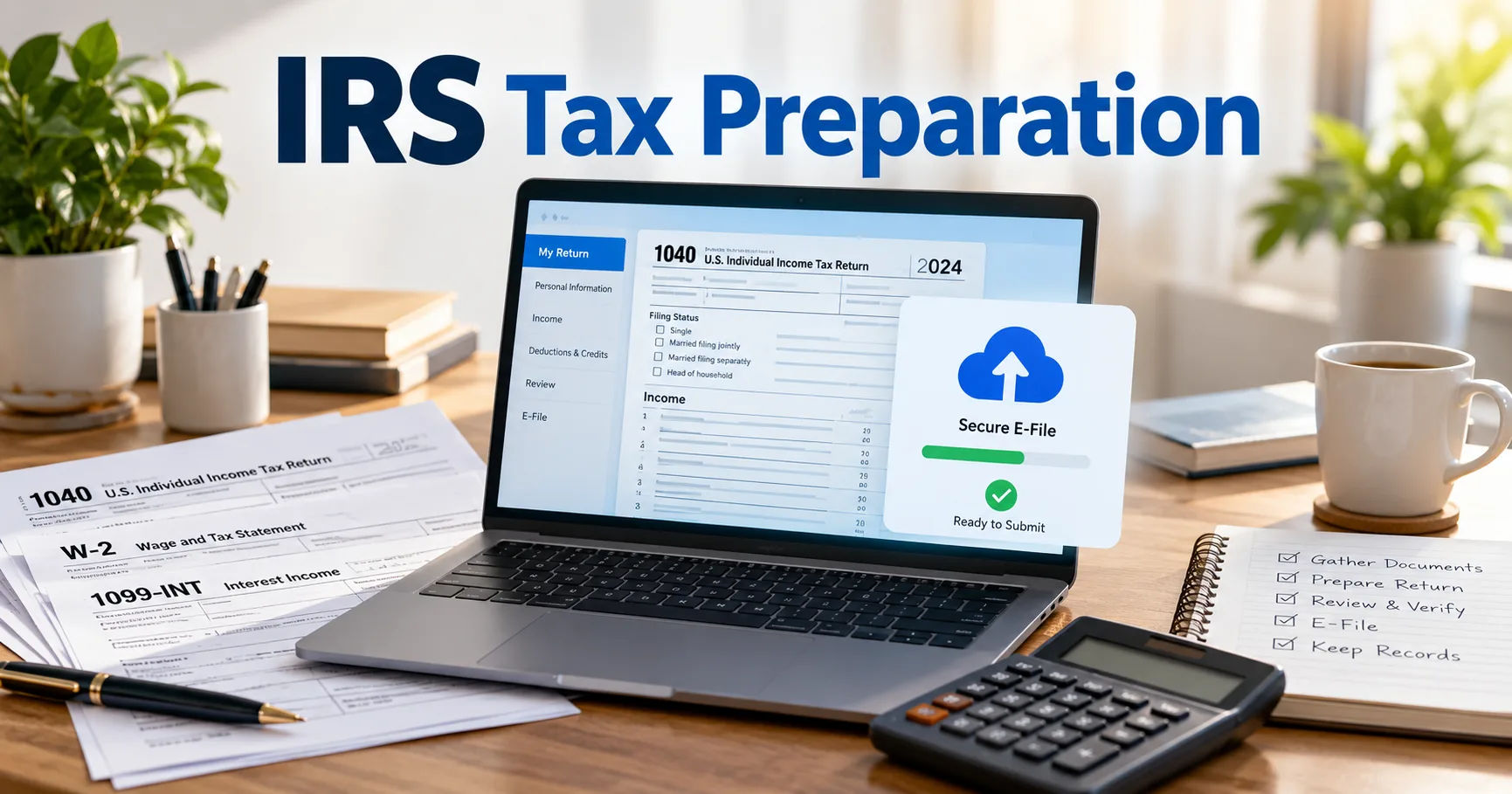 The IRS says businesses should maintain records that clearly show income and expenses and support the amounts reported on their returns.
For an independent massage therapist, recordkeeping can become frustrating when every transaction is scattered across receipts, bank statements, payment apps, appointment software, and paper notes. This is where Conversational financial management for massage therapists without spreadsheets for IRS tax preparation can provide a simpler way to organize financial information. Instead of waiting until tax season to reconstruct what happened throughout the year, the goal is to maintain useful records as transactions occur.
The important point is that you do not need a complicated accounting system simply because you are self-employed. The IRS generally does not require one particular format for business records. Your system simply needs to clearly and accurately show your business income, expenses, and other information necessary to support your tax return.
Why Massage Therapists Need Good IRS Records
Massage therapists may receive payments in several different ways. A client might pay by credit card, debit card, cash, check, bank transfer, or a payment application. Some therapists also work through wellness businesses, spas, gyms, clinics, or other organizations and receive Form 1099-NEC or another information return.
Without organized records, it is easy to overlook income.
It is also easy to lose track of legitimate business expenses. A massage therapist may purchase massage oils, linens, cleaning supplies, therapy equipment, office materials, software subscriptions, advertising, professional education, or other items used in the business.
The IRS explains that good records help businesses identify sources of income, track deductible expenses, prepare tax returns, and support the items reported on those returns.
Records are therefore not simply paperwork for an accountant. They are evidence of how your business operated.
What Income Records Should a Massage Therapist Keep?
Your income records should show how much money the massage therapy business earned and where that money came from.
This becomes especially important when you accept multiple payment methods.
Client Payment Records
Keep records of payments received from clients. Depending on your practice, these may include:
-
Cash payment records
-
Check payments
-
Credit and debit card transactions
-
Bank transfers
-
Payment-app transactions
-
Online booking payments
-
Gift certificate sales
-
Package payments
-
Deposits and advance payments
Your system should allow you to determine the total amount of business income for the tax year.
For cash payments, do not rely on memory. A daily or session-based record can establish the amount received and the date of the transaction.
For electronic payments, retain statements or transaction reports from the relevant payment processor.
The IRS specifically recognizes documents such as deposit information, receipt books, invoices, credit card records, and Forms 1099 as supporting documentation for gross receipts.
Forms 1099-NEC and Other Tax Forms
If another business pays you as an independent contractor, you may receive Form 1099-NEC.
Keep copies of these forms with your tax records.
However, do not assume that your 1099 forms represent all of your taxable business income. A massage therapist must maintain their own records of income received. The IRS notes that income generally needs to be reported even when a taxpayer does not receive a Form 1099.
This is one reason your own bookkeeping should not depend entirely on tax forms received at the end of the year.
Keep Business Bank and Payment Records
A separate business bank account can make recordkeeping considerably easier.
When business income and personal purchases are mixed together, it becomes harder to determine which transactions belong to the massage practice.
A separate account creates a cleaner financial trail.
Keep monthly bank statements and review deposits against your income records. If your bank shows a $2,000 deposit but your records show $1,800 of client payments, you should be able to explain the difference.
The same principle applies to credit card processors and payment applications.
Save transaction reports so you can reconcile the amounts collected from clients with the amounts deposited into your bank account.
The IRS recommends keeping supporting documents such as account statements, receipts, invoices, deposit records, and proof of payment.
What Expense Records Should a Massage Therapist Keep?
Expense records are just as important as income records.
A deduction reported on your tax return should be supported by documentation showing what you purchased, how much you paid, when you paid it, and why the expense was related to the business.
Massage Supplies
Massage therapists commonly purchase supplies used during sessions.
Depending on the practice, these may include massage oils, creams, lotions, disposable sheets, towels, cleaning products, disinfectants, gloves, and other supplies.
Keep receipts and invoices for these purchases.
A receipt alone is useful, but your financial records should also make the business purpose understandable.
For example, a receipt showing a purchase of several bottles of massage oil is much easier to understand as a business expense than an unexplained credit card charge.
Equipment and Furniture
Equipment can represent a much larger investment.
Examples may include massage tables, stools, bolsters, hot towel equipment, storage furniture, therapy devices, computers, printers, and other property used in the practice.
Keep the purchase invoice, receipt, payment record, and information about when the equipment was placed into business use.
Do not throw away records for expensive equipment simply because you have already reported the purchase on one tax return.
The IRS states that property records may need to be maintained until the applicable period of limitations expires for the year in which the property is disposed of. These records can be needed to determine depreciation and the gain or loss when property is sold.
Rent and Workspace Expenses
If you rent a studio, treatment room, office, or commercial space, keep documentation showing the rent payments.
This can include the lease agreement, invoices, receipts, bank statements, and other proof of payment.
If you operate from home, recordkeeping becomes more important because not every household expense automatically becomes a business deduction.
A tax professional can help determine whether you qualify for a home-office deduction and what portion of eligible expenses can be allocated to business use.
The key is to retain the records supporting whatever amount is ultimately claimed.
Track Professional Education and Licensing Costs
Massage therapists may have continuing education requirements or voluntarily pursue additional training.
Keep records for qualifying business-related education, licensing fees, professional memberships, certifications, and similar expenses when they are connected to the operation or maintenance of the business.
Documentation should show what the expense was, when it occurred, how much it cost, and proof that you paid it.
Keep course invoices, registration confirmations, receipts, and payment records.
Avoid relying solely on an email confirmation if a more complete invoice or receipt is available.
Keep Advertising and Marketing Records
Marketing expenses can also create a substantial paper trail.
A massage therapist may pay for a website, domain registration, online advertising, printed materials, business cards, photography, promotional services, or booking-platform features.
Save invoices and receipts for these expenses.
If you advertise through several platforms, download annual transaction reports when available.
Digital advertising accounts sometimes make older invoices difficult to locate, so it is better to save them periodically instead of assuming the platform will always provide easy access.
Record Business Mileage and Transportation
If you drive for business purposes, maintain appropriate mileage and transportation records.
For example, you might travel between treatment locations, attend business-related events, pick up supplies, or perform other qualifying business activities.
A mileage record should be created close to the time of the trip rather than reconstructed months later.
Keep information such as the date, business purpose, starting and ending locations, and mileage.
The IRS specifically identifies mileage logs and records for travel, gift, and car expenses among the documents taxpayers may need to retain.
Be careful with mixed personal and business driving.
A trip to buy supplies may have a business component, while a personal shopping trip does not become a business trip simply because you stopped at the studio afterward.
Your records should make the business purpose clear.
Keep Professional Insurance Records
Massage therapists may maintain professional liability insurance, general liability insurance, business property coverage, or other insurance related to their practice.
Keep policy documents, invoices, renewal notices, and payment confirmations.
Insurance records can also help you understand exactly what coverage you maintained during a particular tax year.
That information can be useful when reviewing business expenses or responding to questions about a particular payment.
Keep Records of Business Fees and Subscriptions
Modern massage practices often rely on software and online services.
You may pay for appointment scheduling, client management, payment processing, accounting software, cloud storage, website hosting, email services, telephone services, or other business technology.
Keep records of these charges.
Monthly subscription expenses can be surprisingly easy to overlook because the payments are small and automatic.
A yearly review of recurring charges can reveal expenses that were never properly categorized.
Document Cash Expenses Carefully
Cash expenses deserve special attention.
If you pay cash for supplies, parking, small equipment, or other business expenses, obtain a receipt whenever possible.
Write down the business purpose if the receipt itself does not make it clear.
Do not assume that a cash purchase is automatically deductible simply because you remember making it.
The IRS states that taxpayers generally need adequate documentation to substantiate business expenses, including receipts, canceled checks, bills, or other evidence when appropriate.
A forgotten cash expense six months later is difficult to prove.
A documented expense recorded on the day it happened is much easier to support.
Keep Records for Payment Processing Fees
Payment processors may deduct fees before depositing money into your bank account.
For example, you might charge clients $5,000 during a month but receive a smaller amount in your bank account because the processor withheld transaction fees.
Your records should distinguish gross client payments from processing fees.
This prevents your income records from being understated merely because the deposit amount was reduced by fees.
Keep processor statements showing gross transactions, refunds, chargebacks, and fees.
These reports can also help reconcile your bank deposits.
Keep Records of Refunds and Canceled Appointments
Massage practices sometimes issue refunds.
A client may cancel a package, receive a refund, or have a payment reversed.
Keep documentation for these events.
A refund should not simply appear as an unexplained negative amount in your records.
Maintain the original transaction, refund date, amount, reason, and proof of the refund where appropriate.
This creates a clearer financial history.
Maintain Records for Gift Certificates and Packages
Gift certificates and prepaid packages can complicate bookkeeping because the date money is received may not always correspond neatly with the date services are performed.
Keep records showing sales, redemptions, unused balances, refunds, and expiration policies where applicable.
Because the tax treatment can depend on the circumstances and accounting method used, consult a qualified tax professional if prepaid services represent a significant part of your practice.
The objective is to ensure that your records allow you and your tax preparer to understand what actually happened.
Keep a Record of Personal and Business Transactions
One of the most common bookkeeping problems for independent professionals is mixing personal and business expenses.
A massage therapist might use one credit card for everything because it feels convenient.
Later, tax preparation becomes an exercise in detective work.
The IRS specifically notes that personal, living, and family expenses generally are not deductible as business expenses and recommends keeping separate business and personal accounts because doing so makes recordkeeping easier.
Separating accounts does not eliminate every bookkeeping problem, but it can dramatically reduce unnecessary confusion.
If you accidentally use a business account for a personal purchase, document it correctly instead of pretending it was a business expense.
Use a Recordkeeping System You Can Actually Maintain
The best recordkeeping system is one you will consistently use.
The IRS does not require every small business to use a particular bookkeeping format. A business can choose a system that suits its operations as long as it clearly shows income and expenses.
That means a massage therapist does not necessarily need an elaborate spreadsheet with dozens of tabs.
What matters is accuracy, consistency, supporting documentation, and the ability to trace transactions.
This is also where Conversational financial management for massage therapists without spreadsheets for IRS tax preparation can be useful as a practical organizational approach. The idea is to make financial tracking easier to maintain by capturing information in a natural workflow rather than waiting until tax season to reconstruct months of transactions.
The technology or method itself is not what makes a record valid.
The underlying records still need to accurately document the business activity.
How Long Should Massage Therapists Keep IRS Records?
There is no single retention period that applies to every business document.
The IRS explains that records generally should be retained as long as they may be needed to administer the tax law. For many income-tax records, the general period of limitations is three years, but important exceptions exist.
For example, the IRS generally has six years to assess tax when a taxpayer fails to report income that should have been reported and the omitted amount exceeds 25% of the gross income shown on the return. There is no limitation period for a fraudulent return or failure to file a valid return.
Property records can require longer retention because they may be needed to establish depreciation, basis, and gain or loss when an asset is eventually sold or otherwise disposed of.
If you have employees, employment tax records generally must be kept for at least four years after the tax becomes due or is paid, whichever is later.
Because retention rules can vary according to the document and circumstances, do not use a blanket rule such as "delete everything after three years" without checking the applicable requirements.
Digital Records Can Be Useful
Digital recordkeeping can make life easier for a massage therapist.
Receipts can be scanned or photographed.
Invoices can be stored electronically.
Bank and payment processor statements can be downloaded.
Tax returns can be saved securely.
The IRS recognizes electronic recordkeeping and states that electronic records are subject to the same basic requirements as hard-copy records.
However, digital storage should be organized.
Creating one enormous folder called "Tax Stuff" is technically better than throwing documents away, but it is not a particularly efficient system.
A more useful structure might separate records by tax year and category.
For example, income records can be separated from supplies, equipment, advertising, insurance, education, mileage, and professional fees.
The exact organization is less important than being consistent.
What a Tax-Ready Record System Should Tell You
At the end of the tax year, you should be able to answer several basic questions without starting from scratch.
How much did the massage practice earn?
Where did that income come from?
How much was deposited into the business bank account?
What payment processing fees were charged?
What business expenses were paid?
Which purchases involved equipment or other assets?
How much business mileage was recorded?
Which expenses were paid in cash?
What documentation supports each major expense?
Were personal and business transactions properly separated?
If you can answer those questions and quickly locate the supporting documentation, your records are doing their job.
Common Recordkeeping Mistakes Massage Therapists Should Avoid
One mistake is waiting until tax season to organize everything.
By then, receipts may be missing, transactions may be forgotten, and bank statements may be difficult to reconcile.
Another mistake is recording only expenses while failing to track every source of income.
A third mistake is assuming that a bank statement alone proves everything about an expense. A bank statement can show that money left your account, but additional documentation may be necessary to establish what you purchased and why it was a business expense.
Another problem is failing to maintain asset records.
If you purchase an expensive massage table or other equipment, keep the documentation even after the original purchase has faded from memory.
Finally, do not confuse a tax deduction with a business purchase. A purchase must meet the applicable tax rules before it should be treated as deductible.
How to Make IRS Recordkeeping Less Stressful
The easiest time to organize a business transaction is when it happens.
When you receive income, record it.
When you make a business purchase, save the receipt.
When you drive for business, record the mileage.
When you purchase equipment, preserve the asset documentation.
When you receive a 1099, save it.
When you file your tax return, keep a copy with the supporting records.
This creates a continuous financial history instead of a tax-season emergency.
A conversational approach can also reduce the mental burden for therapists who dislike spreadsheets. Conversational financial management for massage therapists without spreadsheets for IRS tax preparation can be particularly useful when the goal is to capture transactions in plain language and keep financial information organized throughout the year.
The important distinction is that convenience should support accurate recordkeeping, not replace it.
Whatever system you use should produce reliable information that can be reviewed and supported.
Conclusion
Massage therapists should keep detailed records of business income, expenses, payments, receipts, bank activity, payment processor transactions, equipment purchases, mileage, professional fees, insurance, education, advertising, and other transactions connected to the practice.
The goal is not to create paperwork for its own sake.
The goal is to create a reliable trail showing what the business earned, what it spent, and why the amounts reported on the tax return are accurate. The IRS emphasizes that business records should clearly show income and expenses and that supporting documents should be retained to substantiate items reported on a return.
A massage therapist does not necessarily need an elaborate spreadsheet or complicated bookkeeping system. The IRS allows businesses to choose recordkeeping systems that fit their operations, provided those systems clearly and accurately reflect business transactions.
The most practical approach is to record financial activity consistently throughout the year instead of trying to rebuild everything shortly before the tax deadline.
For therapists who want a simpler alternative to traditional spreadsheet-heavy tracking, Conversational financial management for massage therapists without spreadsheets for IRS tax preparation can serve as an organizational approach that focuses on capturing financial information in a straightforward way. Still, the underlying documentation remains essential.
Keep receipts. Save statements. Track income. Separate personal and business activity. Document mileage and assets. Preserve tax forms and filed returns. Keep records for the appropriate period rather than relying on one universal retention rule.
When your records are accurate and organized, tax preparation becomes much less stressful. More importantly, you have a clearer picture of how your massage practice is actually performing throughout the year.
